A single sprinkler head costs less than $200. A commercial fire can cost everything — your building, your inventory, your business, and potentially lives. Commercial sprinkler systems are the single most effective fire protection measure available, reducing fire deaths in commercial buildings by 87% according to the National Fire Protection Association. Yet many NJ business owners either do not understand what their building requires or assume sprinklers are optional.
At Security Dynamics Inc., we have been designing and installing fire protection systems across New Jersey for 37 years. We hold NJ Fire Alarm License #P00747 and work alongside sprinkler contractors on integrated fire protection projects daily. This guide breaks down everything you need to know about commercial sprinkler systems — what types exist, when NJ requires them, what they cost, how inspections work, and the myths that keep business owners from making smart fire safety decisions.
How Commercial Sprinkler Systems Work
The basic principle behind a fire sprinkler is beautifully simple: heat from a fire activates an individual sprinkler head, which releases water directly onto the fire. No human intervention required. No one needs to call 911, find an extinguisher, or even be in the building. The system detects and responds to fire automatically, typically within 60 seconds of ignition.
Here is the core anatomy of every commercial sprinkler system:
- Water supply: Either the municipal water main or a dedicated fire pump and water tank. The water supply must deliver enough pressure and volume (measured in gallons per minute) to operate the required number of sprinkler heads simultaneously.
- Riser and control valve: The main riser is the vertical pipe that connects the water supply to the sprinkler system piping. The control valve (usually an OS&Y valve or butterfly valve) allows the system to be shut down for maintenance. These valves are typically supervised — meaning an alarm triggers if someone closes the valve.
- Distribution piping: A network of pipes (steel, copper, or CPVC depending on the application) running through the building, delivering water to every sprinkler head location.
- Sprinkler heads: The business end of the system. Each head contains a heat-sensitive element (a glass bulb filled with liquid or a fusible metal link) that breaks or melts at a specific temperature — typically 155°F to 286°F depending on the application. When the element activates, water flows through the head and is distributed in a specific spray pattern.
- Alarm devices: Flow switches and pressure switches detect when water moves through the system, triggering both local alarms (bells, horns) and signals to the fire alarm panel for monitoring station notification.
Critical fact most people get wrong: Each sprinkler head operates independently. Only the heads directly over the fire activate. In 90% of fires controlled by sprinklers, one or two heads are enough to contain or extinguish the fire. The movies where every sprinkler in the building goes off at once? That is not how it works — with one exception that we will cover in the deluge system section below.
Types of Commercial Sprinkler Systems
There are four main types of commercial sprinkler systems, each designed for different building conditions and hazard levels. Choosing the wrong type for your building is not just inefficient — it can be a code violation and an insurance problem.
Wet Pipe Sprinkler Systems
How it works: The pipes are filled with pressurized water at all times. When a sprinkler head activates, water flows immediately. No delay, no intermediate steps.
Where it is used: Heated commercial buildings — offices, retail stores, restaurants, hotels, hospitals, schools, warehouses with climate control. This is the most common type of sprinkler system by far, accounting for roughly 70% of all commercial installations.
Advantages:
- Fastest response time — water is already at the head
- Simplest design — fewest components, lowest maintenance cost
- Most reliable — fewer mechanical parts to fail
- Lowest installation cost of all four types
- Easy to modify when the building layout changes
Limitations:
- Cannot be used in unheated spaces — pipes will freeze and burst below 40°F
- Accidental head damage releases water immediately (though this is extremely rare with modern recessed and concealed heads)
Cost range: $2-$6 per square foot installed for new construction. Retrofit is higher — typically $4-$10 per square foot depending on building complexity.
Bottom line: If your NJ commercial building is heated year-round, a wet pipe system is almost certainly what you need. It is the simplest, cheapest, and most reliable option. Do not overcomplicate it.
Dry Pipe Sprinkler Systems
How it works: The pipes are filled with pressurized air or nitrogen instead of water. When a sprinkler head activates, the air pressure drops, which opens a dry pipe valve. The valve releases water into the piping network, which then flows out through the open sprinkler head. This creates a 30-60 second delay between head activation and water delivery.
Where it is used: Unheated spaces where water-filled pipes would freeze — parking garages, unheated warehouses, loading docks, cold storage facilities, attics, and exterior canopies. Also used in some freezer and refrigerated storage applications.
Advantages:
- Protects spaces where wet pipe would freeze
- No water in the pipes means no freeze-related pipe bursts
- Covers large unheated areas that would otherwise have no automatic fire protection
Limitations:
- Slower response — the 30-60 second delay while air evacuates and water fills the pipe can allow a fire to grow
- More complex — requires an air compressor or nitrogen generator, dry pipe valve, and additional maintenance
- Higher installation cost than wet pipe
- Higher maintenance cost — the dry pipe valve, air compressor, and low-point drains require regular attention
- Increased corrosion risk — the air-water interface inside the piping accelerates internal corrosion over time
Cost range: $4-$8 per square foot for new construction. Retrofit runs $6-$14 per square foot.
Bottom line: Only use dry pipe where you must — unheated spaces that cannot be reasonably heated. If you can heat the space to above 40°F, a wet pipe system is a better choice in every way.
Pre-Action Sprinkler Systems
How it works: Pre-action systems add an extra layer of protection before water is released. The pipes are filled with air (like a dry pipe system), but the pre-action valve requires a separate detection event — typically a signal from a smoke detector, heat detector, or fire alarm panel — before it opens and fills the piping with water. Even after the valve opens, water only flows if an individual sprinkler head also activates from heat. This double-trigger design means accidental water discharge is extremely unlikely.
There are three sub-types:
- Single interlock: Detection device OR sprinkler head activation opens the valve.
- Double interlock: Detection device AND sprinkler head activation must both occur to open the valve. This is the most protective configuration against accidental discharge.
- Non-interlock: Functions similarly to a dry pipe system but with additional detection monitoring.
Where it is used: Environments where accidental water discharge would cause catastrophic damage — data centers, server rooms, museums, art galleries, rare book archives, pharmaceutical clean rooms, and high-value electronics manufacturing. Also used in freezer warehouses where the double-interlock prevents the complications of standard dry pipe.
Advantages:
- Virtually eliminates accidental water discharge — protects water-sensitive environments
- Provides early warning through the detection system before any water enters the pipes
- Can be configured to alert before water release, giving time to investigate false alarms
- Ideal for spaces with irreplaceable contents
Limitations:
- Most complex and expensive of the four types
- Requires integration with a fire detection system (smoke or heat detectors)
- Higher maintenance requirements — both the sprinkler system and the detection system need regular testing
- Slowest water delivery — detection must trigger, valve must open, pipes must fill, then head activates
- More potential failure points — if the detection system malfunctions, the pre-action valve may not open
Cost range: $6-$12 per square foot for new construction. Retrofit can run $10-$20+ per square foot due to the additional detection system.
Bottom line: Pre-action is the right choice when what is inside the building is worth more than the building itself, or when accidental water discharge would shut down operations. The extra cost is insurance against water damage in environments where water is nearly as destructive as fire.
Deluge Sprinkler Systems
How it works: Deluge systems use open sprinkler heads — there is no heat-sensitive element. All heads are open all the time. A deluge valve holds back the water supply. When a detection system (heat, smoke, or flame detectors) identifies a fire, the valve opens and water flows simultaneously through every head in the system. This is the one type where every sprinkler activates at once.
Where it is used: High-hazard environments where fire can spread so rapidly that individual sprinkler head activation would be too slow — chemical storage facilities, aircraft hangars, power generation plants, industrial processing areas with flammable liquids, transformer rooms, and some high-hazard manufacturing operations.
Advantages:
- Maximum water delivery — all heads activate simultaneously, overwhelming the fire
- Fastest total suppression for fast-spreading fires
- Can deliver foam or other suppressants instead of plain water
- Essential for hazards that can flash over in seconds
Limitations:
- Massive water damage when activated — every head in the zone releases water simultaneously
- Requires large water supply capacity (fire pump almost always required)
- High installation cost
- Requires a separate fire detection system to trigger the deluge valve
- Only appropriate for very specific hazard types — never used in standard commercial spaces
Cost range: $8-$15+ per square foot depending on hazard classification, water supply requirements, and detection system complexity.
Bottom line: If your NJ business stores or processes large quantities of flammable materials, deluge may be what the code requires. For standard commercial buildings — offices, retail, restaurants, warehouses with ordinary commodities — deluge is overkill. Your fire protection engineer will specify this if it is needed.
Sprinkler Head Types
The sprinkler head is the visible part of the system — what you see on the ceiling (or wall). Different head types are designed for different mounting positions, ceiling types, and aesthetic requirements. Here are the four main types you will encounter:
Pendant Heads
Hang down from the ceiling piping and spray water in a circular pattern downward. This is the most common sprinkler head in commercial buildings. You see them in offices, retail stores, restaurants, and most commercial spaces. They extend below the ceiling line by about 1-3 inches.
Upright Heads
Point upward from the top of the piping and deflect water downward. Used where piping runs along the bottom of structural members or in areas with no finished ceiling — warehouses, mechanical rooms, and industrial spaces. The water hits a deflector plate and spreads downward and outward.
Sidewall Heads
Mount on a wall rather than the ceiling. They project water in a half-pattern, covering the room from one side. Used in spaces where running piping across the ceiling is impractical — narrow corridors, hotel rooms, small offices, and retrofit applications where ceiling access is limited. Sidewall heads solve a lot of problems in renovation projects.
Concealed Heads
Recessed into the ceiling behind a decorative cover plate. The cover plate is flat and paintable, making the sprinkler nearly invisible. When a fire occurs, the cover plate drops away (it is held by a heat-sensitive solder), exposing the sprinkler head which then activates normally. Used in high-end offices, lobbies, restaurants, hotels, and anywhere aesthetics matter. They cost more than standard pendant heads but many NJ business owners consider them worth it for a clean ceiling appearance.
When Does NJ Require Commercial Sprinkler Systems?
New Jersey adopts the International Building Code (IBC) with state amendments, and references NFPA 13 (Standard for the Installation of Sprinkler Systems) as the design and installation standard. Here is when sprinklers are required:
Building Code Thresholds
- All new commercial buildings over 5,000 square feet in most use groups require automatic sprinkler systems under the IBC as adopted in NJ.
- Assembly occupancies (Group A): Restaurants, theaters, churches, and venues with occupant loads over 100 on any floor, or over 300 total.
- High-rise buildings: Any building with an occupied floor more than 75 feet above the lowest level of fire department vehicle access requires sprinklers throughout — no exceptions.
- Underground buildings: Any building with a floor level more than 30 feet below the exit discharge level.
- Covered and open malls: Sprinklers required throughout.
- Group F-1 (factory/industrial) and S-1 (storage): Required when the fire area exceeds 12,000 square feet, the building exceeds a single story, or the combined fire areas exceed 24,000 square feet.
- Group H (high hazard): Sprinklers required for virtually all high-hazard occupancies — chemical storage, manufacturing with flammable materials, etc.
- Group I (institutional): Hospitals, nursing homes, jails, and similar facilities require sprinklers throughout.
- Group M (mercantile/retail): Required when the fire area exceeds 12,000 square feet or total building area exceeds 24,000 square feet.
- Group B (business/offices): Required when the fire area exceeds 12,000 square feet, building exceeds two stories, or total area exceeds 24,000 square feet.
NFPA 13 Design Standards
When sprinklers are required, NFPA 13 dictates how they must be designed and installed. Key requirements include:
- Hazard classification: Your building is classified as Light Hazard (offices, churches), Ordinary Hazard Group 1 (restaurants, laundries), Ordinary Hazard Group 2 (warehouses, manufacturing), or Extra Hazard (flammable liquids, chemical processing). This classification determines sprinkler head spacing, water density requirements, and pipe sizing.
- Water supply adequacy: The municipal water supply must deliver enough flow and pressure to operate the design area. If it cannot, a fire pump is required.
- Head spacing: Maximum coverage area per head (typically 130-225 square feet depending on hazard) and maximum distance between heads.
- Obstruction rules: Sprinkler heads must not be blocked by ductwork, light fixtures, storage, or structural members. Obstructions require additional heads.
Existing Buildings and Renovations
Here is where NJ business owners get caught off guard: renovations and change-of-use can trigger sprinkler requirements even in buildings that were originally built without them. If you are renovating more than 50% of a building, or changing the occupancy type (converting a warehouse to office space, for example), the building code may require you to bring the entire building up to current sprinkler standards. This is one of the most common surprises in commercial renovation projects. Budget for it early in the planning process.
Commercial Sprinkler System Cost Ranges
Here is what NJ businesses should budget for commercial sprinkler systems in 2026:
| System Type | New Construction (per sq ft) | Retrofit (per sq ft) |
|---|---|---|
| Wet Pipe | $2-$6 | $4-$10 |
| Dry Pipe | $4-$8 | $6-$14 |
| Pre-Action | $6-$12 | $10-$20+ |
| Deluge | $8-$15+ | $12-$25+ |
What Drives the Cost Range
The wide cost range is not vague pricing — it reflects real variables:
- Building height: Multi-story buildings require risers, more piping, and potentially a fire pump. A single-story 10,000 sq ft warehouse costs significantly less per square foot than a four-story 10,000 sq ft office building.
- Hazard classification: Higher hazard ratings require more sprinkler heads per square foot, larger pipe sizes, and greater water supply — all of which increase cost.
- Water supply: If your municipal water supply cannot deliver the required flow and pressure, you need a fire pump ($15,000-$50,000+) and potentially a water storage tank ($10,000-$40,000+).
- Ceiling type: Drop ceilings are cheap to work above. Exposed concrete decks require drilling and anchoring. High ceilings require scaffolding or lifts.
- Retrofit vs. new construction: Retrofit costs 50-100% more than new construction because you are working around existing walls, ceilings, ductwork, electrical, and occupied spaces.
- NJ labor rates: Sprinkler fitters in New Jersey are union labor in many jurisdictions, which affects installation cost. This is not negotiable — it is the market rate.
Sample Project Costs
| Scenario | Estimated Cost |
|---|---|
| 5,000 sq ft office (wet pipe, new construction) | $10,000-$30,000 |
| 10,000 sq ft retail (wet pipe, new construction) | $20,000-$60,000 |
| 20,000 sq ft warehouse (wet pipe, new construction) | $40,000-$120,000 |
| 5,000 sq ft office (wet pipe, retrofit) | $20,000-$50,000 |
| 10,000 sq ft data center (pre-action, new construction) | $60,000-$120,000 |
| Parking garage, 50 spaces (dry pipe, new construction) | $30,000-$80,000 |
Insurance offset: Most commercial insurance carriers in NJ reduce premiums by 5-15% for fully sprinklered buildings. Over 10-20 years, these savings can offset a meaningful portion of the installation cost. Ask your insurance agent for a sprinkler credit quote before budgeting your project — the net cost is lower than the sticker price.
Inspection Requirements (NFPA 25)
Installing a sprinkler system is step one. Keeping it operational is the ongoing responsibility — and it is not optional. NFPA 25 (Standard for the Inspection, Testing, and Maintenance of Water-Based Fire Protection Systems) defines what must be inspected, tested, and maintained, and how often. NJ fire officials enforce these requirements, and your insurance carrier may require proof of compliance.
Quarterly Inspections
- Visual inspection of all sprinkler heads for damage, corrosion, loading (paint, dust, debris), and correct orientation
- Control valve inspection — verify valves are open and tamper switches are functional
- Alarm device testing — water flow alarms, supervisory signals
- Gauge readings on wet and dry pipe systems
- Sprinkler pipe and hanger condition check
Annual Inspections and Tests
- Main drain test — verifies water supply has not been impaired. Open the main drain valve and measure flow and pressure.
- Alarm devices — full functional test of all water flow switches and supervisory devices
- Control valve operation — fully close and reopen each valve to verify operation
- Dry pipe valve trip test (dry systems) — verify the valve opens when air pressure drops
- Pre-action valve functional test (pre-action systems) — verify the valve opens on detection signal
- Fire pump test (if applicable) — flow test to verify pump performance matches design requirements
- Anti-freeze solution test (if applicable) — verify concentration is within acceptable range
5-Year Requirements
- Internal pipe inspection: Open the system at four points to check for obstructions, corrosion, and foreign material inside the piping. This is critical — internal corrosion is the silent killer of sprinkler systems.
- Dry pipe valve internal inspection: Full disassembly, inspection, and reconditioning of the dry pipe valve.
- Fast-response sprinkler heads: After 20 years, a sample of fast-response heads must be tested in a lab. If they fail, all heads of that type must be replaced.
- Standard-response sprinkler heads: After 50 years, lab testing is required. Thereafter, tested every 10 years.
What Happens When You Skip Inspections
This is not hypothetical — we see the consequences:
- Fire marshal citations: NJ fire officials can issue violations for uninspected systems. Repeated violations can result in fines or even an order to vacate until the system is brought into compliance.
- Insurance voiding: If a fire occurs and your sprinkler system has not been inspected per NFPA 25, your insurance carrier can deny the claim. This happens more often than business owners realize.
- System failure: An uninspected system may not work when you need it. Closed valves, corroded pipes, painted-over heads, and failed components go undetected without regular inspection. We have walked into buildings where control valves were shut and no one knew.
Common Myths About Sprinkler Systems — Debunked
Misinformation about sprinkler systems is widespread. Here are the myths we hear most often from NJ business owners, and the facts that correct them:
Myth: All Sprinkler Heads Activate at Once
FALSE. This is the number one sprinkler myth, and it comes directly from Hollywood. In a real fire, only the heads directly above the fire activate — because each head has its own individual heat-sensitive element. In 90% of fires controlled by sprinklers, one or two heads do the job. The only exception is a deluge system, which is a specialized type used only in high-hazard industrial settings — not in offices, retail, or standard commercial buildings.
Myth: Sprinklers Cause More Water Damage Than the Fire Would
FALSE. A single sprinkler head releases 15-25 gallons per minute. A fire department hose delivers 100-250 gallons per minute. Two hoses on an active fire deliver 200-500 gallons per minute — into a building that is already structurally compromised. Sprinkler water damage is localized to the immediate fire area. Fire hose water damage is building-wide. The math is not close.
Myth: Sprinklers Go Off Accidentally All the Time
FALSE. The accidental discharge rate for commercial sprinkler systems is approximately 1 in 16 million heads per year, according to NFPA data. You are more likely to have a pipe freeze and burst in an unsprinklered building than to have a sprinkler head activate accidentally. Modern concealed heads and recessed heads are especially resistant to accidental activation because they are protected from physical impact.
Myth: My Building Is Too Old for Sprinklers
FALSE. Every building can be retrofitted with sprinklers. The question is cost and method. Sidewall heads, CPVC piping (lighter weight, faster installation), and creative routing solve most retrofit challenges. Some of the most valuable sprinkler retrofit projects in NJ are in older commercial buildings where fire risk is highest due to aging electrical systems and construction materials.
Myth: Smoke Detectors Are Enough — I Do Not Need Sprinklers
FALSE. Smoke detectors detect fire and alert people. That is their job — and they do it well. But smoke detectors do nothing to suppress the fire. By the time the fire department arrives (average NJ response time: 5-8 minutes), a fire can double in size every 30 seconds. Sprinklers suppress or extinguish the fire within 60 seconds of activation, holding it in check until the fire department arrives. Smoke detectors and sprinklers work together — they are not interchangeable.
Myth: Sprinklers Are Only for Big Buildings
FALSE. While NJ code thresholds kick in around 5,000-12,000 square feet depending on occupancy type, smaller buildings benefit from sprinklers too. Many NJ business owners install sprinklers voluntarily for the insurance savings, business continuity protection, and peace of mind — even when code does not require it. A fire in a 3,000 square foot restaurant destroys the business just as completely as a fire in a 30,000 square foot warehouse.
Sprinkler System Lifespan: How Long Do They Last?
A properly maintained commercial sprinkler system has a functional lifespan of 25 to 50+ years. Some components last longer than others:
- Piping: Steel piping in wet systems can last 50+ years if internal corrosion is monitored. CPVC piping has a manufacturer-rated lifespan of 50+ years in proper operating conditions. Dry pipe systems experience more internal corrosion and may need section replacements at 25-30 years.
- Sprinkler heads: Standard-response heads must be lab-tested after 50 years (per NFPA 25), then every 10 years thereafter. Fast-response heads must be tested after 20 years, then every 10 years. If they pass testing, they stay in service.
- Valves: Control valves and check valves typically last 25-40 years with regular maintenance. Dry pipe valves and pre-action valves may need reconditioning at 15-20 years.
- Fire pumps: Electric fire pumps last 25-30+ years with annual testing and maintenance. Diesel fire pumps have similar lifespans but require more frequent maintenance.
The key factor is maintenance. A sprinkler system that receives proper NFPA 25 inspections, testing, and maintenance will outlast one that is neglected by decades. We have seen 40-year-old systems in excellent condition and 15-year-old systems with serious corrosion problems — the difference is always maintenance history.
Retrofit vs. New Construction: What to Expect
If you are building new, your architect and fire protection engineer will design the sprinkler system into the building plans from the start. Piping routes around structure, ductwork, and electrical are coordinated before anything is built. This is the cheapest and easiest way to get sprinklers.
Retrofit is a different animal entirely. Here is what NJ business owners should know:
Retrofit Challenges
- Working around existing infrastructure: Ductwork, electrical conduit, plumbing, and structural elements are already in place. Sprinkler piping must weave around all of it, which increases labor and material costs.
- Ceiling access: Drop ceilings are relatively easy — lift tiles, run pipe, replace tiles. Plaster ceilings, drywall ceilings, and decorative ceilings require cutting, patching, and refinishing.
- Water supply upgrades: Older buildings may have undersized water services that cannot support a sprinkler system. Upgrading the water main connection is a significant additional cost ($10,000-$30,000+).
- Business disruption: Retrofit work happens in an occupied building. Dust, noise, and temporary disruptions are inevitable. Good contractors minimize this, but it is a factor.
- Phased installation: Large retrofit projects are often done in phases — one floor or zone at a time — to minimize business disruption. This can extend the project timeline from weeks to months.
When Retrofit Is Triggered
- Change of occupancy (warehouse to office, retail to restaurant)
- Renovation exceeding 50% of the building area
- Addition of a new story
- Fire marshal order (following a fire, inspection failure, or code enforcement action)
- Voluntary installation for insurance savings or business protection
Security Dynamics and Fire Sprinkler Systems
Security Dynamics Inc. has been protecting NJ commercial properties for 37 years. While we do not install sprinkler piping ourselves (that is performed by licensed sprinkler contractors), we are deeply involved in every sprinkler project through our fire alarm integration work:
Fire Alarm and Sprinkler Integration
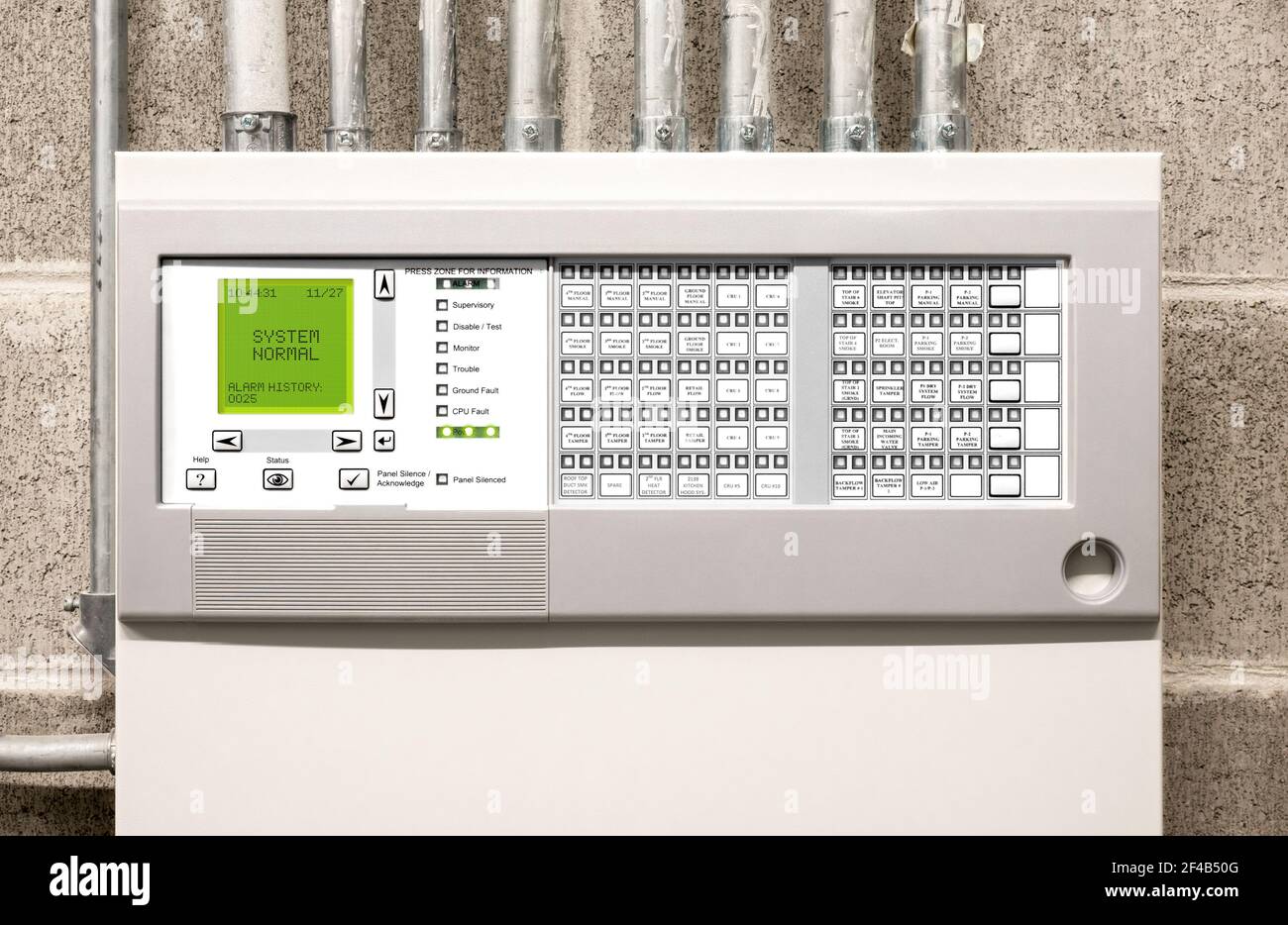
Every sprinkler system needs a fire alarm system to monitor it. Flow switches, tamper switches, and supervisory devices all report to the fire alarm panel, which sends signals to the monitoring station. We design, install, program, and maintain the fire alarm side of the equation — ensuring your sprinkler system is monitored 24/7 and every alarm reaches the fire department.
Pre-Action and Deluge Detection Systems
Pre-action and deluge sprinkler systems require fire detection to trigger the release valve. We install the smoke detectors, heat detectors, and flame detectors that serve as the trigger mechanism. This is not off-the-shelf work — it requires careful engineering to match detection zones with sprinkler zones and ensure reliable activation.
Inspection and Testing Coordination
We coordinate with sprinkler contractors on annual inspections and testing. The fire alarm and sprinkler systems are tested together because they must work together. A sprinkler trip test is meaningless if the fire alarm does not receive and transmit the signal. We ensure both sides of the system work as one integrated fire protection solution.
Monitoring
We provide 24/7 central station monitoring for fire alarm systems connected to sprinkler systems. When water flows, the monitoring station receives the alarm within seconds and dispatches the fire department. Supervisory signals (valve closed, pump trouble, low air pressure on dry systems) are also monitored — so if something affects your sprinkler system between inspections, we know about it immediately.
Frequently Asked Questions
Do all commercial buildings in NJ need sprinkler systems?
No, but most do. The NJ building code (based on the IBC) requires sprinklers for most new commercial buildings based on occupancy type and size — typically starting at 5,000-12,000 square feet depending on building use. High-rise buildings, assembly occupancies, institutional buildings, and high-hazard facilities require sprinklers regardless of size. If your building was built before current code requirements, you may be grandfathered — but renovations, additions, or occupancy changes can trigger the requirement.
How much does a commercial sprinkler system cost?
For new construction: $2-$6 per square foot for wet pipe systems, which is the most common type. A 10,000 square foot office building typically costs $20,000-$60,000 for a wet pipe sprinkler system. Retrofit costs 50-100% more. Specialized systems (dry pipe, pre-action, deluge) cost more due to additional components. Fire pumps and water supply upgrades can add $15,000-$50,000+ if your building’s water supply is insufficient.
How often do sprinkler systems need to be inspected?
NFPA 25 requires quarterly visual inspections, annual testing and functional checks, and 5-year internal pipe inspections. Fire pump systems require weekly visual checks and annual flow tests. Your fire alarm system connected to the sprinkler system has its own inspection schedule (NFPA 72). Skipping inspections can result in fire marshal citations, insurance claim denials, and most importantly — a system that does not work when you need it.
Will sprinklers damage my building if they go off accidentally?
Accidental sprinkler activation is extremely rare — roughly 1 in 16 million heads per year. When a head does activate, it releases 15-25 gallons per minute in the immediate area. Compare that to fire department hoses at 100-250 gallons per minute flooding your entire building. Modern concealed and recessed heads are further protected from accidental physical damage. Pre-action systems provide an additional safeguard in environments where even a small water release would cause significant damage.
Can I install sprinklers in an existing building?
Yes. Every building can be retrofitted with sprinklers. The cost is higher than new construction (typically 50-100% more per square foot) because the work happens around existing infrastructure. Modern techniques — CPVC piping, sidewall heads, flexible drop connections — have made retrofit faster and less disruptive than it was even a decade ago. The work can often be phased to minimize business disruption.
What is the difference between wet pipe and dry pipe?
Wet pipe systems have water in the pipes at all times — when a head activates, water flows immediately. Dry pipe systems have pressurized air in the pipes — when a head activates, air escapes, the dry pipe valve opens, and water fills the piping (30-60 second delay). Dry pipe is used only in spaces where water-filled pipes would freeze (below 40°F) — unheated warehouses, parking garages, loading docks. If your space is heated, wet pipe is always the better choice: cheaper, simpler, faster response.
Do sprinklers reduce my insurance premiums?
In most cases, yes. Commercial insurance carriers in NJ typically offer a 5-15% premium reduction for fully sprinklered buildings. The exact discount depends on your carrier, policy, building type, and risk profile. Over 10-20 years, these savings can offset a significant portion of the installation cost. Ask your insurance agent for a specific sprinkler credit quote — get the number before you finalize your project budget.
How long do sprinkler systems last?
With proper maintenance, 25-50+ years. Steel piping in wet systems can last 50+ years. Sprinkler heads are lab-tested at the 50-year mark for standard-response and 20-year mark for fast-response heads. Valves typically last 25-40 years. The single most important factor in lifespan is maintenance — systems that receive regular NFPA 25 inspections and testing dramatically outlast neglected ones.
What is NFPA 13?
NFPA 13 is the national standard for the installation of sprinkler systems, published by the National Fire Protection Association. It covers design, installation, and acceptance testing for virtually all sprinkler system types in commercial buildings. NJ building code references NFPA 13 as the required design standard — meaning your sprinkler system must be designed and installed in compliance with NFPA 13 to pass inspection and receive a certificate of occupancy.
Can I paint over sprinkler heads?
Absolutely not. Paint on sprinkler heads can prevent them from activating during a fire. Even a thin coat of paint can increase the activation time or prevent the heat-sensitive element from functioning entirely. If a painted head fails to activate during a fire, the consequences are catastrophic. If your sprinkler heads have been painted over, they must be replaced — there is no way to safely clean them. This is one of the most common violations found during inspections, and it is one of the most dangerous.
Next Steps
Commercial sprinkler systems are not optional equipment for most NJ businesses — they are code requirements, insurance expectations, and the most effective fire protection technology available. Whether you are building new, renovating, or simply evaluating your existing system, understanding what you have and what you need is the first step toward protecting your building, your business, and the people inside.
If you have questions about fire alarm integration with your sprinkler system, need monitoring for an existing system, or want a fire protection assessment for your NJ commercial property, Security Dynamics Inc. can help. We have been designing integrated fire protection solutions across New Jersey for 37 years.
Get a free fire protection assessment: Call (609) 394-8800 or email sdynamicsnj@gmail.com. We will evaluate your fire alarm and sprinkler monitoring needs and recommend the right integrated solution — no obligation.